

A workplace safety audit is a structured review of your whole safety management system, and you can carry one out in eight ordered steps: start with an inventory of hazardous products, work through each area of the system, and finish by closing out every finding. Set aside a few focused days, gather your current records, and bring in a manager, a safety lead, and frontline workers who know the job best.
First, a distinction that saves confusion. An inspection looks at hazards, equipment, and work practices on the floor. An audit steps back and asks whether the program behind it, including hazard controls, training, investigations, and records, is actually working. In Canada, that program is measured against your province’s or territory’s occupational health and safety legislation, or the Canada Labour Code if your work is federally regulated. WHMIS, the system for labelling and handling hazardous products, sits under the same umbrella, which is why a 2026 audit should open with your hazardous product inventory.
A safe workplace also supports people’s well-being, their confidence, and their peace of mind. This guide shows you how to build that, one clear step at a time.
Audit vs. Inspection: Knowing Which One You Need

An inspection and an audit sound alike, but they answer different questions. An inspection asks, “What’s wrong right now?” It looks at hazards, equipment, and work practices: a blocked exit, a frayed cord, someone skipping a guard on a machine. An audit asks a bigger question: “Is our whole safety management system actually working?”
A safety management system is simply the documented program of hazard controls, training, inspections, investigations, and records that keeps people safe. Think of it as the habits and paperwork behind a healthy workplace. An audit checks whether those pieces exist, whether people follow them, and whether they lead to real improvements. This matters across safety regulation across workplaces, where compliance means running that kind of documented program, not just fixing problems as they appear.
Effective inspections don’t belong to one person. Managers, safety professionals, and frontline workers each notice different things, and the people doing the job every day often spot risks others miss. Inviting them in also builds trust and makes it easier for everyone to speak up.
The two activities support each other. Regular inspections feed an audit with real evidence about what’s happening on the floor, and an audit shows whether your inspection routine is catching the right things. So if you’re asking which one you need, the honest answer is usually both: inspections to keep watch day to day, and audits to step back and see the full picture.
Know the Rules Before You Start: Canadian Compliance Basics
Before you audit anything, you need to know which rules your workplace answers to. In Canada, compliance means following your province’s or territory’s occupational health and safety Act and regulations. If your work is federally regulated, it means following the Canada Labour Code instead. It also means running a documented program of hazard controls, training, inspections, investigations, and records, which is exactly what your audit will test.
Here’s a quick way to sort out which rulebook applies:
- Provincial or territorial occupational health and safety legislation for most workplaces.
- The Canada Labour Code for federally regulated work.
- WHMIS rules, set federally and applied again at the workplace level.
WHMIS stands for the Workplace Hazardous Materials Information System, a national system for sharing information about hazardous products used at work. WHMIS is regulated federally under the Hazardous Products Act and the Hazardous Products Regulations. In workplaces, it’s also enforced by the provinces, the territories, and federally regulated employers under their own safety legislation. That’s why your hazardous product inventory is such a good first step.
Inspection rhythm matters too. Ontario, for example, expects a committee member or representative to inspect at least once a month. The other option is to inspect the whole workplace yearly, with part of it inspected each month. Regular inspections like these give your audit real evidence to work with.
Rules differ across Canada, so take a few minutes to check your own jurisdiction’s legislation and confirm what applies to you. Knowing where you stand lets you audit with confidence and keeps the focus on what matters most: caring for the people who work there.
What You Need Before the Audit Begins: Tools, People, and Preparation
A good audit is won or lost before anyone walks the floor. Spend a little time lining up your tools and your people first, and the audit itself will feel calmer and more useful.
Here’s what to gather and who to bring in:
- Your hazardous product inventory, since the audit starts there.
- A written audit checklist built around your workplace’s real tasks and areas.
- A notebook or tablet for recording what you see, where you saw it, and what it means.
- Past incident records, so you can spot patterns and repeat problems.
- Your current safety program documents, including your health and safety policy.
- A simple way to log corrective actions, such as a shared spreadsheet or tracking tool.
- Managers, safety professionals, and frontline workers, because effective checks involve all three.
Frontline workers deserve a real seat at the table. They know which shortcuts exist, which equipment acts up, and which tasks feel risky, and that insight rarely shows up on paper.
Just as important is the tone you set. Tell everyone up front that the audit is about caring for people and improving the system, not assigning blame. When workers trust that speaking up won’t get them or a coworker in trouble, they share what they really see. Open, gentle questions work best, like “What part of your day feels hardest to do safely?”
A relaxed, supportive start also eases the stress that audits can bring. When people feel respected and heard, honest answers come more easily, and that’s exactly what you need.
Safety Warnings: Protecting People While You Audit
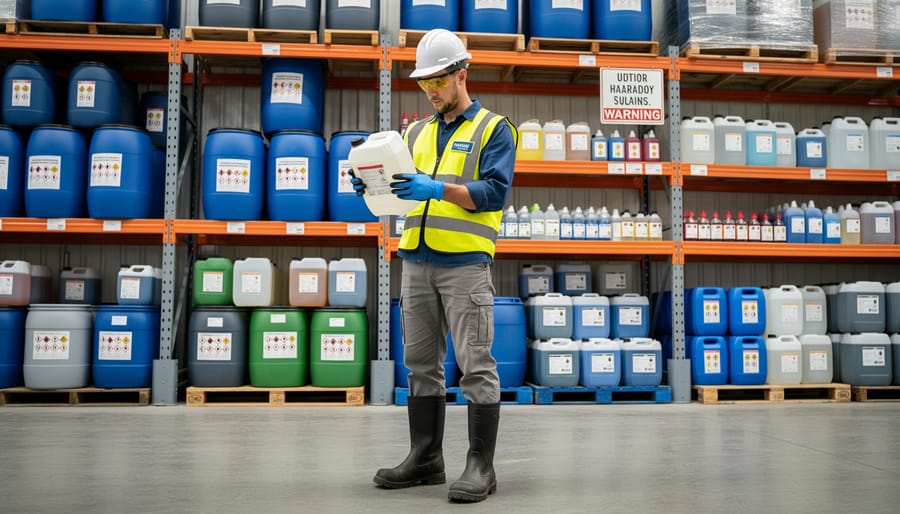
A workplace safety audit is meant to protect people, so the audit itself should never put anyone at risk. A few simple ground rules keep it calm and safe for everyone involved.
Always wear the personal protective equipment (PPE) the area requires, even if you are only passing through for a quick look. Do not enter restricted or hazardous areas unless you have the proper authorization and training. If you are unsure, ask the supervisor to guide you or reschedule that part of the walk. It is also wise to plan around critical tasks so your audit never interrupts work that needs full attention.
Some hazards affect health in quieter ways, so keep an eye out for them too, including indoor air concerns and the vaping health risks that can come with shared spaces. Taking care of yourself while you audit models the same care you want the whole team to share.
Step-by-Step: How to Carry Out the Audit From Start to Close-Out
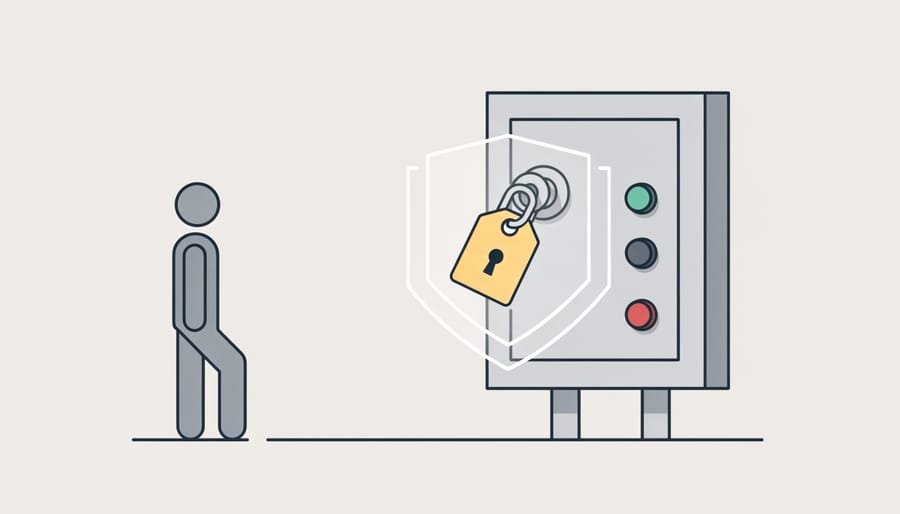
Steps 1 to 4: Gathering What You Need to Know
The first four steps are about gathering facts, so keep the tone curious rather than critical. Here’s the full eight-step sequence, so you can see how the gathering fits into the bigger picture:
- Start with the hazardous product inventory: list every hazardous product on site, since the 2026 WHMIS audit should begin here.
- Walk the site: look at equipment, storage areas, and work practices as they really are.
- Talk to workers: ask open questions and listen closely.
- Read incident records: look for repeat problems and patterns.
- Write findings as evidence: note what you saw, where, and what it means.
- Log corrective actions: assign each one to a responsible person.
- Track remediation: check progress on every open action.
- Close out actions: confirm each fix works before marking it done.
Steps 1 to 4 build your foundation. Begin with the inventory. Compare what’s on the shelves with what’s on your list, and check that labels are readable and storage is sensible.
Next, walk the site slowly. Watch how people actually do their tasks, not just how the procedure says they should. Notice cluttered walkways, worn equipment, and workarounds, which often signal a deeper problem.
Then talk with workers. People closest to the work know where the risks hide, but they’ll only share if they feel safe. Try questions like these:
- “What part of your day feels most awkward or risky?”
- “What would you change if you could?”
- “Is there anything that makes you uneasy that we haven’t talked about?”
Finally, read your incident records, including near misses. Patterns matter more than single events, and understanding incident impacts reminds us that harm can last long after the moment it happens. Taking this seriously is a quiet act of care for your team’s health and peace of mind.
Steps 5 to 8: Turning Findings Into Real Improvements
Once you’ve gathered your evidence, the real work begins. This stretch of the audit is where findings turn into actual protection for people, so it deserves just as much care as the walk-through.
Step 5 is writing your findings as evidence. For each issue, record what you saw, where you saw it, and what it means for the people nearby. “Unmarked spill near the loading door, which could cause a slip for anyone carrying stock” is far more useful than “floor hazard.” Plain, specific notes keep everyone on the same page and make fixes easier to agree on.
Step 6 is logging corrective actions. Give each finding its own entry with a clear action and one named person responsible. Shared ownership often means no ownership, so choose someone who has the time and authority to follow through.
Step 7 is tracking remediation. Check in on open items regularly, whether that’s a short weekly chat or a standing item at your safety meeting. A quick, friendly “how’s that going?” helps people feel supported rather than policed, and it surfaces obstacles early.
Step 8 is closing out actions, but only once the fix is confirmed. Go back and look at the spot, check that the change works in daily practice, and note the date it was completed. Asking the workers affected whether things feel safer is a simple, useful check.
Follow-through is the part that truly protects people. A thorough audit with unresolved findings leaves the same risks in place. Closing the loop shows your team that speaking up leads to real change, which builds trust, confidence, and a calmer, healthier place to work.
Building a Healthier Workplace Culture Through Audits
A safe workplace does more than prevent injuries. When people trust that hazards get fixed, they feel calmer and more confident at work, and that steadiness supports both body and mind. Audits help build that trust, but only when the habit carries on between cycles.
Think of it like a personal wellness routine. A single burst of effort won’t change much, yet small repeated actions do. The same way walking every day builds lasting health, regular small safety habits build a lasting culture.
- Celebrate fixes by thanking the people who spotted and resolved a hazard.
- Make safety talk a normal part of the week, such as a brief mention in team meetings.
- Invite workers to share concerns early, before small issues grow.
- Share what changed after each audit so people see their input matters.
- Take a moment to check in on how people are feeling, not just what equipment needs attention.
Regular inspections feed naturally into this rhythm. Effective ones involve managers, safety professionals, and frontline workers together, which keeps safety a shared responsibility rather than one person’s job. When everyone has a voice, the workplace feels safer, and that sense of security is a quiet but powerful form of care.
Checking Your Work and Planning Next Steps
A good audit has done its job when you can answer three questions with confidence. Is every finding backed by evidence, meaning what you saw, where you saw it, and why it matters? Does every corrective action have a named person responsible and a way to track progress? And have closed items been looked at again to confirm the fix actually holds? If any answer is “not quite,” go back and tighten it up before you call the audit finished.
Then plan the next cycle while this one is still fresh. Regular inspections are what keep an audit meaningful between rounds. Ontario’s rhythm is a helpful example: a committee member or representative inspects at least once a month, or the whole workplace is inspected yearly with part of it covered each month. Those smaller, steady checks surface problems early, and they feed what you’ll examine in your next full audit. Pick a date for the next review, decide who will lead it, and share that plan with your team so everyone knows safety is an ongoing habit, not a one-time event.
Workplace Safety Audit Questions, Answered
A few questions come up again and again when people plan their first audit. Here are plain answers to the most common ones.
What is the difference between an audit and an inspection?
An inspection looks at hazards, equipment, and work practices. An audit steps back and asks whether your overall safety management system is working.
Where do I start, and who should take part?
Start with your hazardous product inventory, since the 2026 WHMIS audit begins there. Bring in managers, safety professionals, and frontline workers, because effective inspections involve all three.
How often should inspections happen in Ontario?
Ontario requires a committee member or representative to inspect at least once a month. The other option is to inspect the whole workplace yearly, with part of it inspected each month.
What does compliance mean in Canada?
It means following your province’s or territory’s occupational health and safety Act and regulations, or the Canada Labour Code for federally regulated work. It also means running a documented program of hazard controls, training, inspections, investigations, and records.
If your answers feel unclear, that’s a useful sign rather than a failure. Check the rules for your own province, territory, or federal sector, and talk it through with your team. A calm, curious approach helps people feel safe sharing what they notice, and that openness is what makes an audit protect their health and well-being.
A workplace safety audit works best when it follows a simple rhythm. Start with a clear inventory of hazardous products, so you know exactly what you’re checking. Listen to the people who do the work every day, because they notice things no checklist will. Write down what you find as evidence, and finish by closing out every corrective action, since that follow-through is what truly protects people.
Done this way, an audit isn’t about catching anyone out. It’s an act of care. A safer workplace lets people breathe easier, think more clearly, and head home feeling well, which supports both body and peace of mind for everyone on the team.
You don’t need to tackle everything at once. This week, take one small first step: gather your hazardous product inventory, or invite a few coworkers to share what feels unsafe. Small, steady actions build a healthier workplace over time.