
COVID-19 vaccination development represents one of the fastest and most collaborative scientific achievements in modern medicine, delivering multiple effective vaccines within a year of the virus’s emergence and continuing to evolve in 2026 as new variants appear. The journey from identifying SARS-CoV-2 in early 2020 to distributing billions of doses worldwide combined decades of prior coronavirus research, breakthrough mRNA technology, and unprecedented global cooperation. Today, these vaccines have saved millions of lives and transformed COVID-19 from a society-stopping pandemic into a more manageable health concern.
Understanding how these vaccines were created so rapidly, why they remain safe despite the compressed timeline, and how they’re being updated for current variants helps you make informed decisions about your health. The story behind COVID-19 vaccines reveals not just scientific innovation but also how your immune system can be trained to recognize and fight new threats. As we move forward in 2026, vaccination recommendations continue to shift based on emerging variants, population immunity levels, and refined understanding of who benefits most from boosters. Whether you’re considering your first dose or wondering about updated formulations, knowing the science and strategy behind vaccine development empowers you to protect yourself and support your body’s natural defenses.
The Journey of COVID-19 Vaccine Development
From Emergency to Standard Care
When COVID-19 vaccines first arrived in late 2020, they carried emergency use authorizations, a regulatory pathway designed for urgent public health threats. This meant faster approval based on preliminary safety and effectiveness data, with ongoing monitoring as millions received doses. The initial rollout focused on high-risk groups and healthcare workers, with complex storage requirements and limited supply creating logistical challenges.
By 2026, the landscape has shifted dramatically. COVID-19 vaccines now sit alongside established preventive tools in your healthcare provider’s office, with full regulatory approval and years of real-world safety data supporting their use. Manufacturing has scaled up significantly, and the ultra-cold storage requirements that complicated early distribution have been refined. You can now receive a COVID-19 vaccine at your local pharmacy much like you would a flu shot.
This transition reflects both scientific progress and practical experience. Health authorities like the National Advisory Committee on Immunization (NACI) have moved from emergency response protocols to evidence-based annual guidance. The current recommendation is straightforward: one dose per year for most people six months and older, with two doses recommended for those 80 and over or others at increased risk. This mirrors how we approach seasonal influenza prevention, integrating COVID-19 vaccination into routine preventive care rather than treating it as an ongoing crisis measure.
The Science That Made It Possible
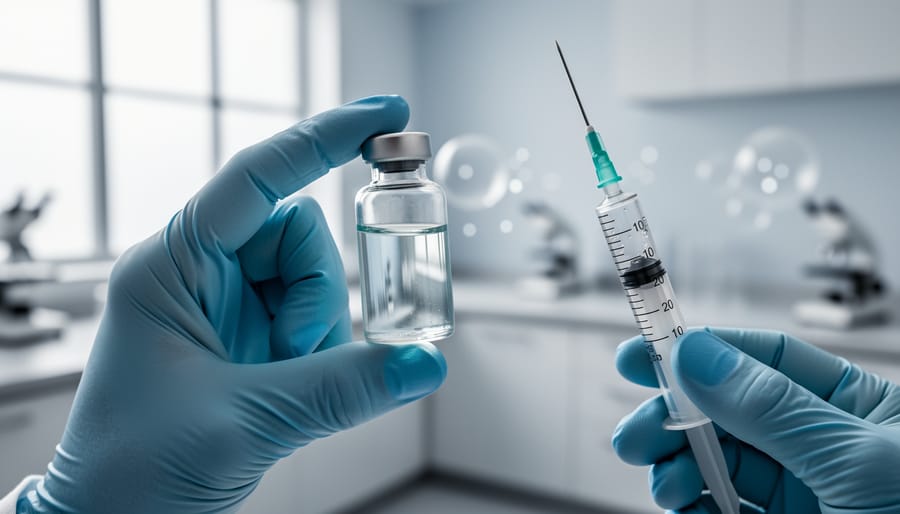
COVID-19 vaccines use three main approaches to train your immune system. mRNA vaccines, like those from Pfizer and Moderna, deliver genetic instructions that teach your cells to make a harmless piece of the virus’s spike protein. Your immune system recognizes this protein as foreign and builds defenses against it. When you encounter the actual virus later, your body already knows how to fight it.
Viral vector vaccines use a modified, harmless virus to carry the spike protein blueprint into your cells. This platform, used by AstraZeneca and Johnson & Johnson, triggers a similar immune response through a different delivery method.
Protein-based vaccines take a more traditional route. They contain actual spike protein pieces combined with ingredients that boost your immune response. Your body sees these proteins, recognizes them as invaders, and creates antibodies without needing your cells to produce anything.
All three platforms achieve the same goal: they prepare your immune system to recognize and fight COVID-19 without exposing you to the dangerous virus itself. Your body essentially runs a practice drill, building memory cells that spring into action if you encounter the real threat.

Current COVID-19 Vaccination Guidelines for 2026
Standard Dosing Schedule
For most people, COVID-19 vaccination in 2026 follows a straightforward schedule. Health authorities recommend one dose per year for everyone 6 months of age and older. This simplified approach makes it easier to stay protected without complicated timing calculations.
The best time to get your annual dose is typically in the fall, around September or October. This timing helps ensure your protection peaks during the months when respiratory viruses circulate most actively. However, if fall doesn’t work for your schedule, getting vaccinated later still provides valuable protection.
If you missed last year’s dose or are receiving your first COVID-19 vaccine, you can get vaccinated at any time. There’s no need to wait for a specific season to start building your protection. The key is establishing a routine that works for you, whether that means marking your calendar each fall or coordinating with your annual flu shot.
For children 6 months and older who haven’t been vaccinated before, parents should consult their healthcare provider about the appropriate schedule. The annual dose recommendation applies once initial vaccination is complete, helping families maintain consistent protection year after year.
Who Needs Two Doses Per Year
Most people need only one COVID-19 vaccine dose per year, but certain groups benefit from enhanced protection with two doses per year. Adults 80 and over top this list, as their immune systems may not mount as strong a response from a single dose and they face higher risks if they do contract COVID-19.
Beyond age, your health status and daily exposure matter. If you have conditions that weaken your immune system, such as active cancer treatment, organ transplant, or certain autoimmune disorders, a second dose helps ensure your body maintains protective antibody levels throughout the year. Similarly, healthcare workers, caregivers in long-term care facilities, and others with frequent close contact with vulnerable populations may receive a recommendation for two doses to reduce the chance of transmission.
Timing between doses typically spans several months, allowing your immune system to build and sustain protection. Your healthcare provider can determine whether you fall into a higher-risk category and advise on the best schedule for your circumstances. If you’re unsure, it’s worth asking, the recommendation isn’t arbitrary, it’s tailored to real differences in how well protection holds up in different bodies and situations.
Special Considerations for Different Groups
If you’re 65 or older, NACI recommends getting a COVID-19 vaccine regardless of your health status. This age group faces higher risk of severe outcomes, making vaccination a valuable protective measure even if you’re generally healthy.
For adults 80 and over, two doses per year are recommended to maintain stronger protection against serious illness. Space these doses according to your healthcare provider’s guidance, typically with several months between them.
People with certain health conditions benefit from staying current with vaccination. This includes those with compromised immune systems, chronic lung or heart disease, diabetes, or other conditions that increase vulnerability to respiratory infections. Your specific health situation determines whether you need one or two doses annually.
Those with increased exposure risk, healthcare workers, caregivers, or people living in congregate settings, should also prioritize vaccination. Frequent contact with others elevates your chance of encountering the virus, making protection more important.
Talk with your doctor about timing if you have a weakened immune system or take medications affecting immunity. They can help you determine the best vaccination schedule for your circumstances and whether you need additional doses beyond the standard recommendation.
How Vaccines Continue to Adapt to New Variants
The Variant-Tracking Process
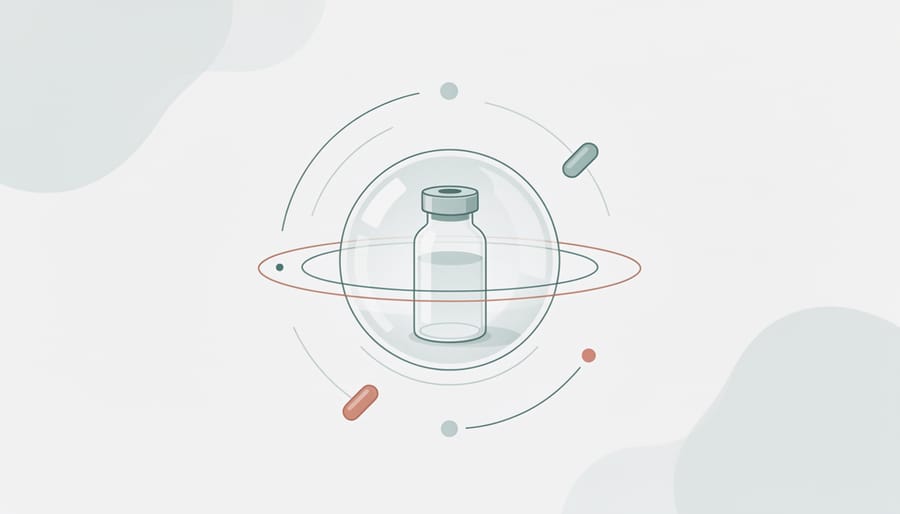
Scientists track viral changes through a global surveillance network that sequences virus samples from infected individuals. When they spot mutations that might help the virus evade immunity, particularly in the spike protein that vaccines target, they assess whether these changes could reduce vaccine effectiveness.
This monitoring happens continuously. Labs share genetic data internationally, and experts analyze patterns to see which variants are spreading and displacing older strains. If a new variant becomes dominant and shows signs of escaping the immune protection vaccines provide, manufacturers can update their formulas.
The actual adjustment process builds on the same platforms used for original vaccines. For mRNA vaccines, scientists swap out the genetic code for the old spike protein with instructions for the new variant’s version. Because the underlying technology stays the same, this update happens much faster than developing an entirely new vaccine from scratch.
Regulatory agencies then review safety and effectiveness data for updated formulations. Once approved, manufacturers shift production to the new version, typically timed so updated vaccines become available before seasonal surges. This ongoing cycle ensures your protection keeps pace with how the virus evolves.
Why Annual Updates Matter
The virus behind COVID-19 changes over time, just as seasonal flu viruses do. When the virus mutates enough, older vaccines become less effective at preventing infection. That’s why health authorities shifted to an annual vaccine schedule for most people, similar to the approach used for flu shots.
Each year, scientists analyze which viral variants are circulating most widely and update vaccine formulations to match them. This targeted approach helps your immune system recognize and fight the current strains more effectively than relying solely on protection from earlier vaccinations.
For most healthy adults and children, one updated dose per year provides adequate protection against severe illness. Your body builds on immunity from previous exposures and vaccinations, so you’re not starting from scratch each time. The annual dose acts as a refresh, tuning your immune response to the latest viral forms.
This doesn’t mean the original vaccines failed. They were remarkably successful at preventing severe disease and death. Annual updates simply maintain that protection as the virus evolves, ensuring vaccines remain a reliable tool in reducing serious health outcomes from COVID-19.
Making the Vaccination Decision: What to Consider

Assessing Your Personal Risk
Understanding your personal risk helps you decide whether a COVID-19 vaccine fits your health needs right now. Start by considering your age and any chronic health conditions. If you’re 65 or older, have heart disease, diabetes, lung conditions, or a weakened immune system, you face higher risk of severe illness from COVID-19.
Next, think about your daily exposure. Do you work in healthcare, live with someone vulnerable, or spend time in crowded indoor settings regularly? Frequent contact with others increases your chance of encountering the virus.
Your vaccination history matters too. If it’s been more than a year since your last dose, your protection has likely decreased. People 80 and over should plan for two doses annually, while most others need just one.
Don’t overlook your overall health habits. Getting enough sleep, managing stress, and maintaining good nutrition support your immune system whether you choose vaccination or not. This isn’t about fear, it’s about honestly evaluating where you are and making a choice that protects your wellbeing and those around you.
Talking to Your Healthcare Provider
A conversation with your healthcare provider is your best tool for making a vaccination decision that fits your unique situation. Come prepared with a clear picture of your health status: mention any chronic conditions, medications you take, and whether you live or work in settings with higher exposure risk. If you’re 65 or older, or if you have underlying health issues, ask whether the standard one-dose-per-year schedule is sufficient or if you’d benefit from two doses annually.
Don’t hesitate to discuss any concerns about side effects you’ve experienced with previous vaccines, or questions about how the current formulation addresses recent variants. Your provider can explain how COVID-19 vaccination development has led to updated vaccines that align with circulating strains, and how the timing of your dose fits with other vaccines you might need.
Ask specific questions: When should I schedule my dose? How does my age or health condition affect my need for vaccination? What symptoms should I watch for afterward? This partnership approach helps you move forward with confidence, knowing your decision is grounded in both scientific guidance and your personal health needs.
Supporting Your Body’s Response to Vaccination
Your body’s immune system does the real work after vaccination, building the defenses that protect you from severe illness. While vaccines are highly effective on their own, you can support your body’s response and manage any temporary side effects through simple, practical steps that align with overall wellness.
Stay hydrated before and after your vaccination. Water helps your immune cells function optimally and can ease common side effects like headache or fatigue. Aim for at least eight glasses daily in the week surrounding your vaccine dose.
Prioritize quality sleep. Your immune system builds antibodies most effectively during rest. Try to get seven to nine hours of sleep nightly, especially in the few days after vaccination. If arm soreness makes sleeping difficult, rest on your opposite side.
Eat nutrient-dense whole foods. Focus on fruits, vegetables, lean proteins, and whole grains that provide vitamins and minerals your immune system needs. Foods rich in vitamin C, zinc, and protein support antibody production without requiring supplements for most people.
Manage mild side effects naturally. A sore arm, low-grade fever, or fatigue for a day or two signals your immune system is responding. Move your arm gently to reduce stiffness, apply a cool compress if needed, and rest when your body asks for it.
Avoid extreme stress around vaccination time. Chronic stress can dampen immune response, so practice stress-reduction techniques that work for you, whether that’s gentle walking, meditation, or time in nature.
These steps won’t prevent normal immune responses, nor should they. Mild reactions mean your body is building protection. By supporting your overall health, you’re giving your immune system the best environment to do its job effectively.
Understanding COVID-19 vaccination development puts you in control of your health decisions. The journey from emergency authorization to today’s refined vaccination programs shows how science continues to work for your protection. By staying informed about current guidelines and how vaccines adapt to new variants, you’re equipped to make choices that support both your wellbeing and your community’s health.
Vaccination remains one of the most effective tools we have for preventing severe illness, but it’s just one part of a holistic approach to wellness. Combined with healthy lifestyle choices that strengthen your immune system, you’re building comprehensive protection from the inside out.
As COVID-19 vaccination development continues to evolve, keep the conversation going with your healthcare provider. Guidelines may shift as we learn more and as variants emerge, but the fundamental principles remain: assess your personal risk, consider your individual circumstances, and make informed decisions based on current evidence. You have the knowledge and resources to navigate these choices confidently, supporting both your own health and the wellbeing of those around you.